
Taking on plumbing tasks in your home can be both rewarding and cost-effective. Whether you’re a seasoned DIY enthusiast or a beginner looking to save some money, understanding the basics of plumbing and knowing when to call in professionals is essential. This guide aims to provide homeowners with insights into tackling simple plumbing repairs themselves while recognizing situations that require professional intervention.
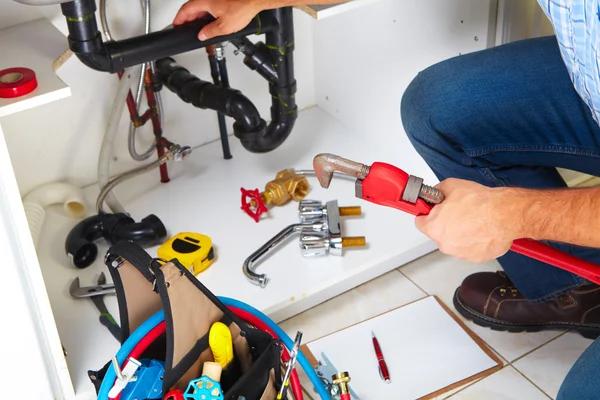
First and foremost, safety should always be your top priority. Before embarking on any DIY plumbing project, ensure you have the necessary tools and protective gear. Basic tools like wrenches, pliers, pipe cutters, plungers, and plumber’s tape are invaluable for minor repairs. Additionally, having an understanding of your home’s plumbing system can significantly aid in diagnosing issues efficiently.
One common issue homeowners face is clogged drains. Often caused by hair buildup or food debris, these can usually be resolved using a plunger or a drain snake. Regular maintenance such as using strainers over drains can prevent clogs from forming in the first place.
Leaky faucets are another frequent problem that many homeowners encounter. Typically resulting from worn-out washers or seals within the faucet assembly, these leaks not only waste water but also increase utility bills if left unattended. Most leaky faucets can be fixed by replacing these small components—a straightforward task for most DIY enthusiasts.
Toilets that run continuously may indicate flapper valve issues inside the tank or problems with the fill valve mechanism. Adjusting or replacing faulty parts often resolves find more on this website issue without needing professional help.
However, it’s crucial to recognize when a job exceeds your skill level—particularly when it involves complex systems such as hot water heaters or sewer lines where mistakes could lead to significant damage and costly repairs down the line. For instance, attempting to fix gas leaks yourself poses serious safety risks; calling licensed professionals ensures compliance with local building codes while safeguarding against potential hazards.
Furthermore, extensive pipework installations during renovations should ideally involve experienced plumbers who possess specialized knowledge about various piping materials suitable for different applications within homes today—from copper pipes traditionally used due its durability properties through modern alternatives like PEX tubing known flexibility ease installation processes alike!
In conclusion: embracing do-it-yourself approaches towards maintaining household infrastructures proves beneficial saving expenses learning valuable skills along way yet equally important acknowledging limits expertise thereby avoiding unnecessary complications altogether! By striking balance between DIY efforts seeking expert assistance whenever necessary ultimately achieve successful harmonious living environment everyone enjoys appreciates long term satisfaction peace mind guaranteed knowing everything functioning optimally behind scenes seamlessly integrated daily routines life itself becomes much easier manage overall experience enriching fulfilling one indeed!