
Attic insulation plays a crucial role in maintaining the energy efficiency of a home, providing a barrier against heat loss during winter and keeping the house cool in summer. However, one often overlooked aspect of attic insulation is its potential to attract pests if not properly managed. Understanding the relationship between attic insulation and pest infestations is essential for homeowners looking to maintain both their comfort and peace of mind.
Pests such as rodents, insects, and birds often seek shelter in attics due to their warmth and protection from predators. Attic insulation provides an ideal nesting material for these creatures. Rodents like mice and rats are particularly notorious for burrowing into fiberglass or cellulose insulation to create nests. Once they establish themselves, they can cause significant damage by chewing through electrical wires, contaminating stored items with droppings, and even compromising the structural integrity of your home.
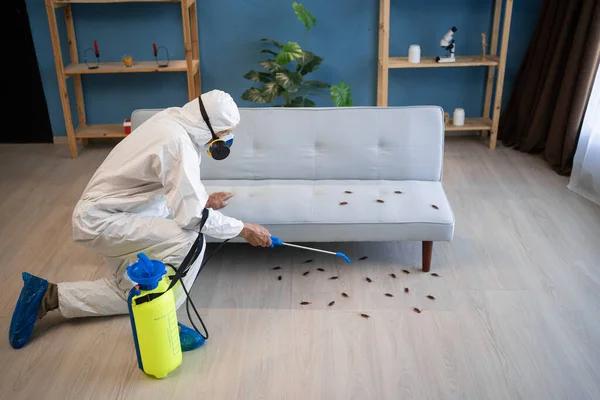
Insects such as termites and carpenter ants are also attracted to attics with improper or damaged insulation. These pests thrive in environments where moisture is present—often due to poor ventilation or roof leaks—and can quickly multiply if left unchecked. The presence of insects not only threatens the structure but can also lead to discover further details here infestations throughout the home.
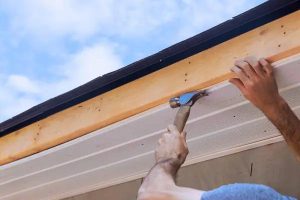
Birds may find entry points into attics through damaged vents or gaps in roofing materials. Once inside, they use loose insulation as nesting material which can result in blocked vents that disrupt airflow and increase humidity levels—a condition conducive to mold growth.
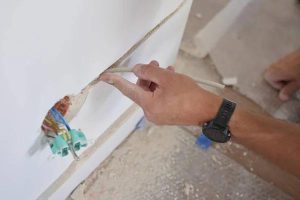
To mitigate these risks, it’s important for homeowners to regularly inspect their attic spaces for signs of pest activity. Look for droppings, shredded materials indicative of nest-building activities, or any unusual noises that might suggest an infestation has taken root. Additionally, proper maintenance of attic conditions—including sealing potential entry points—is vital.