
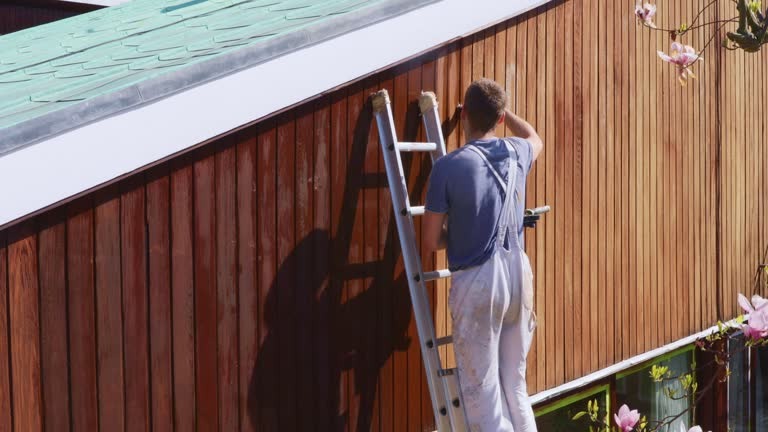
Proper preparation is the cornerstone of achieving a long-lasting interior and exterior painting job. Whether you are painting the walls of your living room or the exterior siding of your home, the time and effort invested in preparation can significantly impact the durability and appearance of the paint. Skipping or rushing through this critical phase can lead to premature peeling, cracking, and fading, which ultimately requires costly repainting and repairs.
One of the first steps in proper preparation is surface cleaning. Dirt, dust, grease, and mildew can prevent paint from adhering correctly. For exterior surfaces, power washing can remove accumulated grime and loose paint, providing learn more about our services a clean slate. Interior walls should be wiped down with a mild detergent solution to eliminate dust and stains. Ensuring the surface is clean allows the paint to bond effectively, resulting in a smoother finish and longer-lasting color.
Repairing surface imperfections is another vital aspect of preparation. Cracks, holes, and peeling paint need to be addressed before applying new paint. For interior walls, spackling and sanding create an even surface, while exterior repairs might involve patching wood rot or filling gaps with caulking. These steps prevent the new paint from cracking or bubbling and protect the underlying material from moisture and damage.
Priming is often overlooked but plays a crucial role in paint longevity. A quality primer seals porous surfaces and creates a uniform base for the topcoat. It enhances paint adhesion, reduces the number of paint coats required, and improves color vibrancy. Especially for exterior surfaces exposed to harsh weather conditions or interior walls with stains, priming can prevent issues like peeling and discoloration.
Choosing the right environmental conditions for painting also contributes to durability. Painting in extreme temperatures or high humidity can cause the paint to dry improperly, leading to cracks or blistering. Ideally, painting should be done when temperatures are moderate and humidity is low, ensuring the paint cures correctly and adheres well to the surface.
In conclusion, investing time in proper preparation before painting both interior and exterior surfaces significantly extends the lifespan of the paint job. Cleaning, repairing, priming, and selecting optimal conditions are essential steps that ensure the paint adheres well, resists damage, and maintains its aesthetic appeal over time. By following these preparation guidelines, homeowners can enjoy beautiful, durable paint finishes that protect and enhance their living spaces for years to come.