

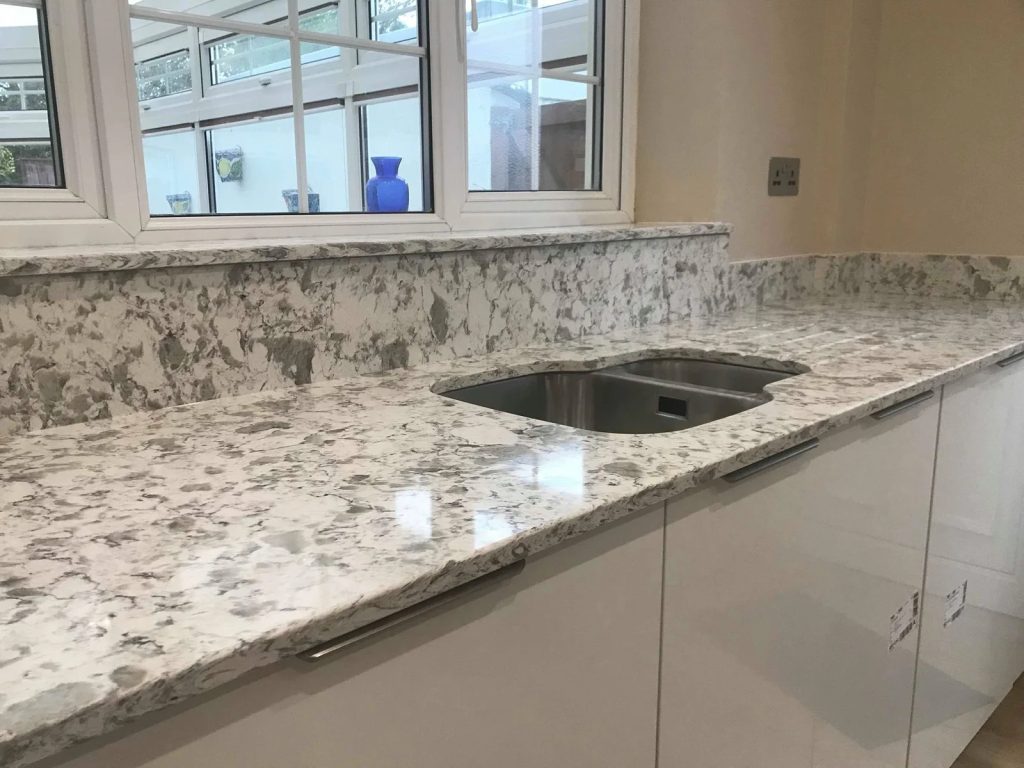
When you walk into a luxury hotel or admire a modern kitchen countertop, there’s a good chance the granite came from India. India is one of the top exporters of granite in the world. And companies like Devinarayan Granites Limited have helped shape the industry with high-quality stone, modern manufacturing, and ethical practices.
Let’s take a detailed look at how raw granite becomes the polished masterpiece you see in homes, buildings, and monuments around the world.
India’s Legacy in Granite Manufacturing
India has been shaping stone for centuries. From ancient temples in Tamil Nadu to Mughal forts in Rajasthan, stone carving is part of the country’s soul. But granite, in particular, has taken center stage in modern construction.
Today, India supplies granite to over 100 countries. This includes polished slabs, sculptures, tiles, monuments, and customized products. Tamil Nadu, Andhra Pradesh, Karnataka, and Rajasthan are known for their rich granite reserves.
Indian granite is loved globally for its strength, colors, and natural patterns like Black Galaxy, Vizag Blue, Paradiso, Indian Juparana, and many more.
Step 1: Quarrying – Where the Journey Begins
The first step is quarrying, which means extracting granite from the earth. Devinarayan Granites owns several quarries, including ones for Vizag Blue, Paradiso, and Multicolour granites. These quarries are located in regions where the stone is naturally found.
Using modern machinery like diamond wire saws, drilling rigs, and hydraulic splitters, large granite blocks are cut from the mountain. These machines reduce waste and ensure clean cuts.
Safety is also important. Workers follow strict guidelines to protect themselves and the environment. Granite blocks can weigh several tons and must be handled carefully.
Step 2: Block Selection & Rough Granite Export
Once the blocks are extracted, not all of them go straight to factories. Some are directly exported in raw form. These rough blocks are often sent to countries like China, Italy, and Germany for further processing.
But only the best blocks are chosen for export. Factors like size, cracks, uniformity, and pattern are checked. This process is known as grading.
At Devinarayan, experienced inspectors look at each block. Only blocks with consistent patterns and good structure are selected for export or internal processing.
Step 3: Cutting and Shaping in the Factory
The real transformation happens inside modern granite factories. The massive blocks are brought in and cut into slabs using gang saws or multi-wire saws. These machines slice through the stone like butter—only slower and with diamonds!
For special items like sculptures or headstones, CNC machines are used for fine detailing. Devinarayan produces a wide range of granite items:
- Slabs & Tiles – Used in flooring, walls, countertops
- Sculptures – Traditional and modern designs for parks, temples, and public spaces
- Headstones – Customized for cemeteries in Europe, the USA, and Australia
- Turned Stones – Vases, urns, and assemblies
- Granite Furniture – Benches, garden tables, and outdoor pieces
- Rock-Pitched Naturals – For a rugged, earthy look
Each product has its own cutting and shaping method.
Step 4: Finishing Techniques for a Premium Look
Raw granite is tough, but not always shiny. That’s where finishing comes in.
There are different types of finishes depending on what the customer wants:
- Polished – Glossy and reflective
- Honed – Smooth but matte
- Flamed – Textured and slip-resistant
- Leathered – Soft matte with slight texture
- Bush-Hammered – Rough surface for exteriors
These finishes are done using polishing lines, abrasive brushes, or flame torches. Devinarayan’s machines can apply different finishes depending on the order.
Before packing, each piece is checked for cracks, polish quality, and dimensions. Precision is key.
Step 5: Packaging and Global Export
Granite is heavy and fragile. So, safe packaging is critical. Each slab or item is carefully wrapped, padded, and placed in wooden crates.
Devinarayan ensures that each crate meets international shipping rules. This includes fumigation, labeling, and compliance with import laws in countries like the USA, UK, and Australia.
Every shipment is documented with material test reports, invoice details, and certificates of origin. Their team also handles container loading with forklifts and cranes to avoid breakage.
They’ve perfected this over years of working with 20+ countries.
Sustainability and Ethical Manufacturing
Modern granite processing isn’t just about machines and polish. It’s also about responsibility.
Devinarayan Granites follows ISO-certified processes. This includes:
- Water recycling systems to reduce waste
- Dust suppression methods to protect workers
- Ethical sourcing from legally owned quarries
- Fair labor practices and skilled local employment
They also preserve traditional craftsmanship in their sculptures, keeping ancient techniques alive while blending them with modern precision.
What Makes Devinarayan Granites Stand Out
Many companies sell granite. But few combine legacy, technology, and global service like Devinarayan does.
- Over 30 years of industry experience
- In-house quarries for quality control
- Exports to 20+ countries across four continents
- Custom orders for architects, importers, and memorial designers
- A team that handles everything—from quarry to shipment
Their commitment to quality, client satisfaction, and heritage makes them a go-to name in the Indian granite industry.
Conclusion: From Indian Soil to Global Spaces
Granite isn’t just a stone. It’s a story of geology, craftsmanship, and global trade. From the rugged quarries of South India to polished surfaces in Europe and America, every piece of granite tells a tale of transformation.
And companies like Devinarayan Granites Limited are the storytellers—shaping India’s natural treasures into timeless art for the world.
