
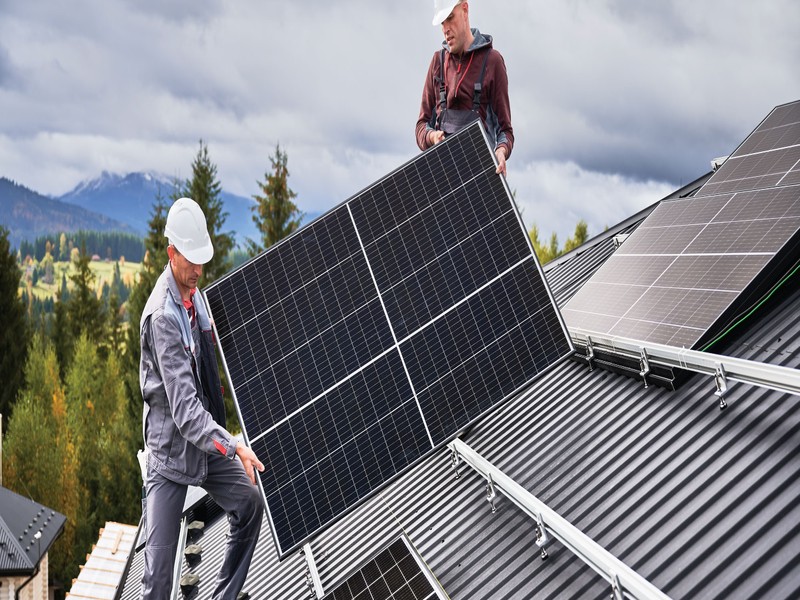
Maximizing return on investment (ROI) in solar energy systems depends significantly on proper installation and consistent maintenance. Solar panels represent a substantial financial commitment, and ensuring they operate at peak efficiency is essential to achieve the expected savings and environmental benefits. The initial step toward maximizing ROI involves selecting a qualified installer who understands local regulations, climate conditions, and optimal positioning of panels. Proper placement is critical because even minor deviations from the ideal angle or orientation can reduce energy output by a considerable margin. A professional installer will conduct a thorough site assessment to identify shading issues, roof integrity, and electrical compatibility before proceeding with the setup.
During installation, attention to detail matters greatly. Secure mounting prevents damage during storms or high winds, while precise wiring ensures minimal power loss between panels and inverters. Using high-quality components that match system specifications also contributes to long-term reliability and performance. It is important that all connections comply with safety standards to avoid hazards such as electrical faults or fire risks. Once installed correctly, the system begins generating clean electricity immediately; however, ongoing maintenance determines how well it sustains this output over time.
Routine inspections are crucial for identifying potential problems early on. Dirt accumulation mens beach robe on panel surfaces reduces sunlight absorption; therefore, regular cleaning tailored to local environmental conditions helps maintain efficiency without causing damage through abrasive methods or harsh chemicals. Monitoring system performance through software tools allows owners to detect drops in production promptly so corrective actions can be taken before losses become significant. Inverter functionality should be checked periodically since these devices convert direct current into usable alternating current and are often points of failure within solar setups.
Addressing minor repairs swiftly prevents small issues from escalating into costly replacements or extensive downtime that diminishes overall returns. Additionally, keeping records of maintenance activities supports warranty claims if defects arise within coverage periods offered by manufacturers or installers.
Financial incentives such as tax credits depend partly on compliance with installation standards and documentation of upkeep efforts; thus proper record-keeping enhances eligibility for these benefits alongside utility rebates or net metering programs.
In summary, maximizing ROI through solar technology requires more than just purchasing panels-it demands expert installation combined with proactive maintenance strategies aimed at preserving optimal performance throughout the system’s lifespan. Investing time and resources into these areas ensures sustained energy production levels that justify upfront costs while contributing positively toward environmental goals over many years of operation.