

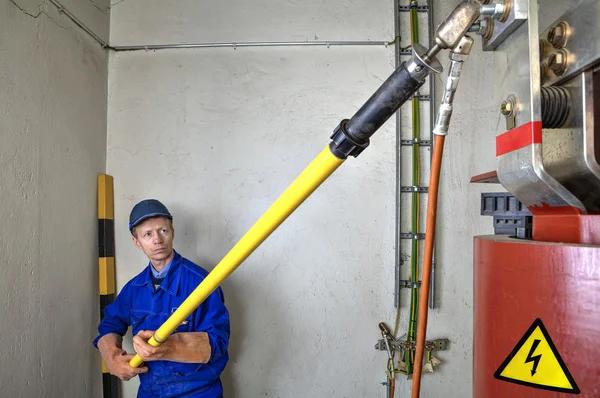
In the heart of every thriving industrial operation lies an intricate network of infrastructure that forms the backbone of its success. This hidden yet vital component is often overshadowed by the more visible aspects of production, such as machinery and manpower. However, it is within these unseen layers that the true efficiency and capability of a factory are determined.
The infrastructure inside a factory encompasses various elements, each playing a crucial role in ensuring seamless operations. From power supply systems to water management, ventilation to waste disposal, every aspect must be meticulously planned and executed to support continuous production cycles. The reliability of these systems directly influences productivity levels and operational costs, making them indispensable for achieving industrial success.
A key element in this infrastructural matrix is energy management. Factories consume vast amounts of power to operate machinery around-the-clock. Efficient energy distribution networks minimize downtime and reduce costs while simultaneously supporting sustainable practices—a growing concern in today’s environmentally conscious world. Innovations such as smart grids and renewable energy sources are increasingly being integrated into factory infrastructures to enhance efficiency while reducing carbon footprints.
Equally important is the logistics network within a facility. The movement of raw materials into production lines and finished goods out explore further for distribution must be streamlined to avoid bottlenecks that could disrupt workflow continuity. Advanced automation technologies like conveyor belts, robotic arms, and autonomous vehicles optimize material handling processes, thus enhancing productivity while minimizing human error.
Another critical component is communication technology which ensures real-time data flow between different departments within a factory setting—be it inventory management or quality control divisions—facilitating informed decision-making processes at all levels from ground workers up through executive leadership teams alike.
Moreover, safety measures form an integral part when considering internal infrastructural needs; after all nothing can halt progress faster than accidents caused by inadequate protective setups! Comprehensive fire suppression systems alongside emergency evacuation protocols guarantee worker welfare remains paramount amidst any unforeseen circumstances arising during daily operations thereby fostering trust amongst employees who know their wellbeing has been prioritized above mere profit margins alone!
Lastly but certainly not least comes maintenance scheduling without which even most sophisticated setups would eventually crumble under weight neglect over time leading costly repairs replacements down line if left unchecked indefinitely so regular inspections coupled proactive servicing routines keep everything running smoothly long term basis preventing minor issues escalating major problems later date altogether!
In conclusion then: whilst often overlooked outside observer perspective sheer complexity involved designing maintaining effective internal framework cannot overstated enough because ultimately dictates whether company thrives falters competitive marketplace where stakes high competition fierce indeed!
