

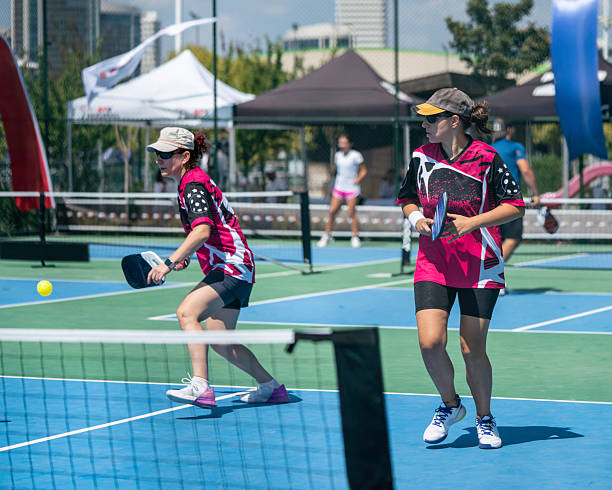
Pickleball competitions have rapidly gained momentum in Texas, significantly influencing the state’s sports culture. This emerging sport combines elements of tennis, badminton, and table tennis, making it accessible to a broad demographic. Its growing popularity is evident through the increasing number of tournaments held across Texas cities, drawing players and spectators alike. These events foster community engagement while promoting healthy lifestyles and offering new opportunities for athletic expression.
The rise of pickleball competitions has diversified the traditional sports scene in Texas, which has long been dominated by football, basketball, and baseball. Unlike these established sports that often require specialized facilities or large teams, pickleball can be played on smaller courts with fewer participants. This accessibility lowers barriers to entry and encourages participation from people of all ages and skill levels. Consequently, local parks and recreational centers have adapted their spaces to accommodate pickleball courts, reflecting its integration into everyday Texan life.
Moreover, competitive pickleball has created avenues for social interaction beyond casual play. Tournaments provide structured environments where players can challenge themselves while building camaraderie with others who share their enthusiasm for the game. The inclusive nature of these events helps break down generational gaps as both young athletes and senior players compete texasopenpickleball.com side by side. This intergenerational appeal strengthens community bonds and enhances social cohesion within neighborhoods.
Economic benefits accompany the cultural impact as well. Hosting regional or statewide pickleball competitions attracts visitors who contribute to local businesses such as hotels, restaurants, and retail stores. The influx of tourists during tournament weekends generates revenue that supports economic development in host cities. Additionally, sponsorships from companies invested in health and wellness sectors further boost financial support for these events.
Texas’ commitment to developing organized leagues reflects a broader trend toward formalizing pickleball as a competitive sport rather than merely recreational activity. Statewide associations work diligently to establish standardized rules and rankings that elevate the level of play while ensuring fairness across competitions. These efforts help legitimize pickleball within the larger sporting ecosystem of Texas.
In summary, pickleball competitions are reshaping Texas sports culture by introducing an accessible yet competitive option that appeals to diverse populations. The growth of this sport enriches community life through social connectivity while providing economic advantages for localities hosting events. As more Texans embrace pickleball on both casual courts and competitive stages alike, it continues to carve out a distinct place within the state’s vibrant athletic landscape.
